Integrating Candy Vector Element Design into Professional Creative Workflows
In the realm of digital illustration and graphic design, specific thematic assets serve distinct functional roles beyond mere decoration. Candy vector element design represents a specialized niche where aesthetic appeal meets technical precision. For professionals ranging from marketing directors to independent educators, understanding how to leverage these assets effectively can streamline production timelines and enhance visual communication. This approach is not simply about selecting colorful graphics; it involves a strategic integration of scalable, editable assets into broader project architectures.
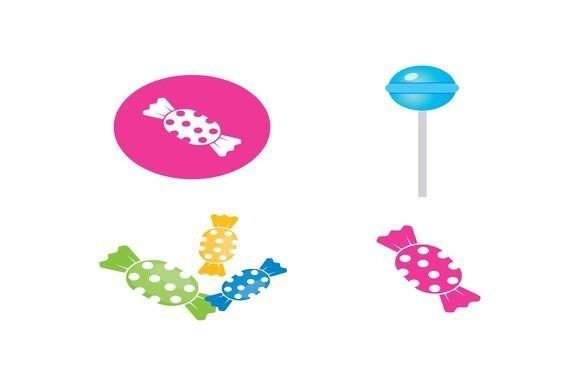
When we discuss candy-themed vectors, we are referring to digitally created illustrations of confectionery items—lollipops, gummies, wrapped chocolates, and hard candies—constructed using mathematical paths rather than pixel grids. This distinction is critical for workflow efficiency. Unlike raster images, which degrade when resized, vector elements maintain crisp edges at any scale. This characteristic makes them indispensable for projects that require multi-platform deployment, such as packaging that must look sharp on both a small mobile screen and a large billboard.
The Strategic Role of Thematic Vectors in Project Planning
Before initiating a design task, professionals must assess the visual language required to meet their objectives. Candy vector element design often aligns with brands or projects aiming to evoke feelings of joy, nostalgia, reward, or indulgence. However, its application extends far beyond food and beverage industries. Educators use these elements to gamify learning materials, making complex subjects more approachable for younger audiences. Marketers utilize them in loyalty programs to visually represent points or rewards. Entrepreneurs might incorporate them into app interfaces to soften user experience during onboarding processes.
Integrating these elements begins during the conceptual phase. Rather than treating graphics as an afterthought, savvy creators identify where thematic consistency can reinforce messaging. For instance, a productivity app might use a "candy" motif to symbolize completed tasks, leveraging the psychological association between sweets and rewards. By planning for candy vector element design early in the process, teams ensure that color palettes, typography, and layout structures complement the illustrative style. This preemptive alignment reduces revision cycles later in the project lifecycle.
Technical Compatibility and Asset Organization
One of the most significant advantages of using vector assets is their compatibility with industry-standard software. Files typically come in formats such as SVG, AI, EPS, or PDF. These formats allow seamless interaction with tools like Adobe Illustrator, CorelDRAW, Inkscape, and even web development environments. For a workflow to remain efficient, organization is paramount. Professionals should establish a standardized library of assets, categorizing them by type, color scheme, and style.
Consider a scenario where a small business owner is launching a new product line. They purchase a bundle of candy vector elements. Without proper organization, finding the specific "striped lollipop" needed for a social media post can become time-consuming. A best practice involves renaming files with descriptive tags and storing them in cloud-based asset management systems. This ensures that team members can quickly locate and deploy resources without disrupting their creative flow. Furthermore, maintaining a consistent style guide ensures that all candy elements share similar line weights, shading techniques, and color saturation, preserving brand integrity across various touchpoints.
Implementation Across Different Media Channels
The versatility of candy vector element design allows for diverse implementation strategies. Each channel presents unique constraints and opportunities that dictate how these assets should be adapted.
- Digital Marketing and Social Media: In this context, speed and engagement are key. Vectors can be quickly recolorized to match seasonal campaigns or trending aesthetics. For example, a Valentine’s Day promotion might shift the palette from bright primaries to soft pastels. Because vectors are lightweight, they load quickly on web pages, contributing to better user experience and SEO performance.
- Print Packaging and Merchandise: Here, precision is non-negotiable. Vector files ensure that print outputs remain sharp, regardless of the physical dimensions. Designers can easily separate layers to adjust bleed areas or modify specific elements for different product sizes. This flexibility reduces waste and minimizes the need for costly reprints due to resolution errors.
- Educational Content and E-Learning: Educators and instructional designers use these elements to create interactive modules. Vectors can be animated using tools like After Effects or Lottie to provide visual feedback. A correct answer in a quiz might trigger a burst of confetti and candy icons, reinforcing positive behavior through immediate visual reward.
By understanding the specific requirements of each medium, creators can maximize the utility of their assets. It is not enough to simply drop an image into a layout; one must consider how the vector interacts with text, white space, and other graphical components.
Customization and Brand Consistency
A common misconception is that using pre-made vector elements limits creativity. On the contrary, candy vector element design offers a foundation for rapid customization. Most professional vector packs are layered, allowing users to isolate individual components. A designer can change the hue of a gummy bear to match corporate branding colors or adjust the thickness of outlines to align with a minimalist design trend.
This level of control supports long-term brand consistency. As a business evolves, its visual identity may undergo subtle shifts. Having editable vector assets means that existing materials can be updated without starting from scratch. For freelancers managing multiple clients, this adaptability is crucial. It allows them to repurpose base assets across different projects, adjusting styles to fit varying client needs while maintaining high-quality output. This efficiency translates directly into cost savings and faster turnaround times.
Quality Control and Legal Considerations
When integrating external assets into professional workflows, due diligence is essential. Not all vector files are created equal. Poorly constructed vectors may contain unnecessary anchor points, open paths, or non-standard color profiles, which can cause issues during printing or animation. Before adopting a new set of candy vector element design resources, professionals should perform a quality audit. Check for clean topology, organized layers, and CMYK/RGB compatibility depending on the intended use.
Additionally, licensing agreements must be reviewed carefully. Commercial use rights vary significantly between providers. Some licenses permit unlimited use across multiple projects, while others restrict usage to a single end-product. For agencies and businesses, securing extended licenses ensures legal compliance and protects against potential copyright disputes. Keeping records of license purchases and terms is a vital part of administrative workflow management.
Enhancing Collaboration Through Shared Assets
In team environments, shared asset libraries facilitate smoother collaboration. When multiple designers work on a single campaign, having a centralized repository of approved candy vector elements ensures visual coherence. Tools like Adobe Creative Cloud Libraries or Figma Components allow teams to sync assets in real-time. If a lead designer updates the master style of a candy icon, those changes can propagate across all linked documents, reducing manual update efforts.
This collaborative approach also aids in onboarding new team members. New hires can immediately access standardized resources, allowing them to contribute meaningfully from day one. It eliminates the guesswork associated with sourcing appropriate graphics and ensures that all output adheres to established quality standards. For remote teams, this digital infrastructure is particularly valuable, bridging geographical gaps through shared visual languages.
Long-Term Value and Scalability
Investing in high-quality candy vector element design yields long-term dividends. Unlike trend-specific raster images that may quickly become obsolete, well-crafted vectors possess timeless utility. They can be archived and retrieved for future campaigns, retrospectives, or brand refreshes. Their scalability ensures that they remain relevant as display technologies evolve, from standard definition screens to high-resolution retina displays and beyond.
Moreover, the modular nature of vector elements supports scalable content creation. A single set of candy icons can be rearranged, recolored, and combined to create hundreds of unique variations. This modularity empowers marketers to produce A/B testing variants rapidly, educators to generate diverse worksheet materials, and developers to create dynamic UI states. The ability to iterate quickly without sacrificing quality is a competitive advantage in fast-paced digital environments.
In conclusion, candy vector element design is more than a stylistic choice; it is a functional component of modern creative workflows. By prioritizing preparation, organization, and technical compatibility, professionals can harness these assets to enhance efficiency, maintain consistency, and deliver impactful visual experiences. Whether used in packaging, digital interfaces, or educational tools, these vectors offer a blend of aesthetic charm and practical utility that supports diverse professional goals. Integrating them thoughtfully into your process ensures that your creative output remains polished, coherent, and effective across all platforms.