3D Portrait of Girl Working at Home
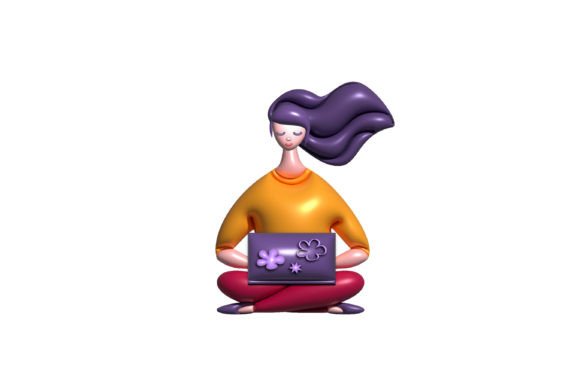
In the evolving landscape of digital content, visual assets serve as more than mere decoration; they are communication tools that convey tone, context, and professionalism instantly. A 3D portrait of a girl working at home represents a specific intersection of modern work culture and contemporary design aesthetics. This image typically features a cute, stylized character sitting on the floor with a laptop on her lap, rendered in a minimal art style and isolated on a white background. For many creators and business owners, this specific type of asset solves a common problem: how to represent remote work without relying on overused stock photography or cold, corporate imagery.
Understanding the Visual Concept
The core appeal of this 3D rendering lies in its simplicity and versatility. The subject is often depicted in a relaxed posture, suggesting comfort and flexibility rather than rigid office hours. The minimal stylized art style ensures that the image feels modern and approachable, avoiding the uncanny valley effect that sometimes plagues hyper-realistic 3D models. By isolating the character on a white background, the asset becomes a modular component. Designers can easily place it into various layouts, change background colors to match brand identities, or integrate it into complex compositions without difficult masking or editing.
This concept works out of the traditional office narrative, emphasizing the internet as the primary workspace. It reflects the reality of millions of freelancers, students, and remote employees who have turned living rooms, bedrooms, and kitchen tables into productive hubs. The "cute" aspect of the character adds an emotional layer, making the content feel friendly and human-centric, which is crucial for brands aiming to build trust and relatability.
Why Different Audiences Value This Asset
The utility of a 3D portrait of a cute girl varies significantly depending on who is using it. What matters to a graphic designer differs from what matters to a small business owner or an educator. Understanding these distinct perspectives helps in selecting the right visual strategy for your specific goals.
For Marketers and Bloggers
Content creators and marketers prioritize speed and engagement. When writing about remote work tips, digital nomad lifestyles, or productivity hacks, a relevant image increases click-through rates and time-on-page. A generic photo of an empty office desk fails to capture the personal nature of working from home. In contrast, a stylized 3D character adds personality. Marketers value this asset because it is isolated on a white background, allowing for quick integration into blog headers, social media posts, and email newsletters. The clean aesthetic ensures that text overlays remain readable, a critical factor for conversion-focused designs.
For Entrepreneurs and Small Business Owners
Small business owners often operate with limited budgets and need assets that offer long-term usefulness. Investing in custom photography is expensive and time-consuming. A high-quality 3D render provides a cost-effective alternative that still looks premium. For entrepreneurs launching apps, websites, or online courses related to freelance work or education, this image serves as a versatile brand element. It can be used in pitch decks, on landing pages, and in promotional materials. The priority here is commercial value and brand consistency. The minimal style ensures that the image does not date quickly, maintaining relevance as design trends shift subtly over time.
For Educators and Course Creators
Educators creating online materials need visuals that are inclusive and non-distracting. A 3D portrait of a girl working at home can illustrate concepts related to study habits, online learning, or digital literacy. The cute, approachable character reduces anxiety for students, making the learning environment feel safer and more inviting. Teachers and instructional designers appreciate the clarity of the minimal style, which focuses attention on the action—working on a laptop—without unnecessary visual clutter. This supports cognitive load management, ensuring that learners focus on the educational content rather than deciphering complex imagery.
For UI/UX Designers and Developers
For professionals building user interfaces, flexibility is paramount. An isolated 3D render is a developer-friendly asset. It can be scaled without loss of quality if provided in vector-compatible formats or high-resolution raster formats. Designers use such characters to create empty states, onboarding screens, or success messages within applications. The neutral white background allows for seamless blending with dark mode or light mode interfaces. The priority for this group is technical ease of use and adaptability. They evaluate the asset based on how easily it can be manipulated via CSS or integrated into design systems like Figma or Sketch.
Evaluating Quality and Suitability
When considering whether a 3D portrait of a girl working at home fits your project, several factors should guide your decision. Not all 3D renders are created equal, and understanding the nuances of quality can prevent costly mistakes.
- Lighting and Shading: Even in minimal styles, soft lighting adds depth. Check if the shadows under the laptop and the character look natural. Poor shading can make the image look flat and amateurish.
- Character Expression: The "cute" descriptor implies a certain level of charm. Ensure the facial expression matches your brand voice. Is she focused? Happy? Relaxed? The emotion conveyed should align with the accompanying text.
- Resolution and Format: Verify that the file resolution is sufficient for your intended use. Web usage may require optimized PNGs with transparency, while print materials might need higher DPI settings. An isolated background is only useful if the edges are clean and free of artifacts.
- Style Consistency: If you plan to use multiple illustrations, ensure this portrait matches the artistic direction of your other assets. Mixing different 3D styles can create a disjointed user experience.
Practical Applications Across Industries
The versatility of this image allows it to transcend niche markets. Here are practical examples of how different professionals might deploy this asset:
- HR and Recruitment: Companies promoting remote-first policies can use this image in job postings to signal a flexible, modern work environment. It appeals to younger demographics who value work-life balance.
- Tech Startups: A SaaS company offering project management tools can feature this character in their tutorial videos or help center articles, humanizing the software experience.
- Lifestyle Brands: Blogs discussing home office setups, ergonomic furniture, or wellness routines for remote workers can use the image to break up text and illustrate key points visually.
- E-commerce: Sellers of laptop accessories, desks, or cozy home wear can use the render in advertising campaigns to show their products in a contextual, albeit stylized, setting.
Making the Right Choice for Your Project
Ultimately, the decision to use a 3D portrait of a cute girl depends on your specific communication goals. If your audience values professionalism above all else, a minimalist 3D style might feel too casual. However, if your goal is to appear approachable, modern, and in tune with current digital trends, this asset is an excellent choice. It bridges the gap between abstract concepts and human experience, making the idea of "working from home" tangible and relatable.
Consider the long-term utility of the asset. Will it still look relevant in six months? Minimalist 3D art tends to age well because it avoids fleeting trends in favor of clean lines and universal themes. For beginners, starting with pre-made, high-quality renders like this can elevate the perceived quality of their projects without requiring advanced design skills. For professionals, it offers a efficient building block that speeds up the design process, allowing more time for strategic creative decisions.
By understanding the diverse needs of different audiences—from the speed-seeking marketer to the quality-focused designer—you can better evaluate whether this specific visual tool aligns with your objectives. The key is to view the image not just as a picture, but as a functional component of your broader communication strategy, designed to enhance clarity, engagement, and brand identity in the digital space.