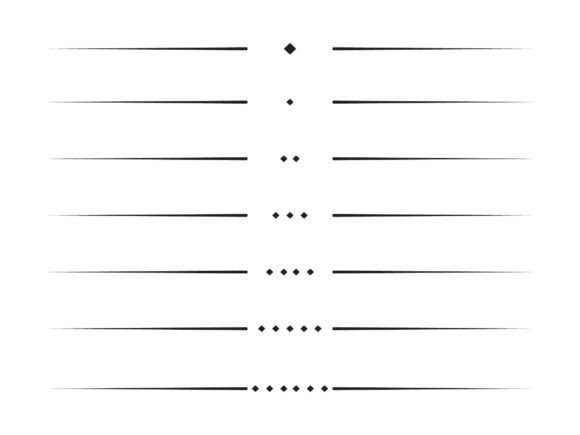
Divider Collection Vector: A Practical Guide to Format, Quality, and Design Versatility
In the realm of digital design, visual organization is just as critical as the content itself. Whether you are crafting a professional report, designing a wedding invitation, or laying out a modern website, the elements that separate sections play a pivotal role in user experience and aesthetic flow. This is where a comprehensive Divider Collection Vector becomes an invaluable asset. Unlike generic clipart or low-resolution images, a curated collection of dividers offers precision, scalability, and stylistic coherence. However, not all design resources are created equal. Understanding the specific deliverables—such as the inclusion of high-resolution PNGs, scalable SVGs, and editable source files like AI and EPS—is essential for determining if this type of resource aligns with your workflow and project requirements.
Understanding the Value of Vector-Based Dividers
The term "vector" refers to a method of creating graphics using mathematical equations rather than pixels. This distinction is fundamental when evaluating design assets. A Divider Collection Vector allows designers to scale illustrations to any size without losing clarity or sharpness. This is particularly important for dividers, which may need to stretch across a wide webpage header or shrink to fit a subtle footer accent. When you acquire a package that includes 28 SVG files and 1 AI file with all designs, you are investing in future-proof flexibility. You are not locked into a single dimension or resolution.
Contrast this with raster-based images, such as standard JPEGs or PNGs, which can become pixelated or blurry when enlarged. While the collection includes 4 JPG files and 28 PNG files at 300dpi, these are best viewed as complementary assets rather than the primary source of truth. The PNGs, with their transparent backgrounds, are ideal for quick drag-and-drop usage in applications that do not support vector editing. The 300dpi resolution ensures that even when used in print media, the lines remain crisp and professional. However, relying solely on these fixed-size formats limits your ability to adapt the design to unconventional layouts or large-format printing.
Comparing File Formats: When to Use SVG, EPS, AI, or PNG
A robust design toolkit provides options for various stages of the creative process. The Divider Collection Vector described here offers a mix of formats, each serving a distinct purpose. Understanding these differences helps in making an informed decision about how to integrate these assets into your projects.
- SVG (Scalable Vector Graphics): With 28 SVG files provided in both vertical and horizontal orientations, this format is ideal for web developers and UI/UX designers. SVGs are code-based, meaning they load quickly on websites and can be styled or animated using CSS. They are perfect for responsive design, where elements must adapt to different screen sizes seamlessly.
- AI (Adobe Illustrator): The inclusion of 1 AI file containing all designs is a significant advantage for professional graphic designers. This master file allows for batch editing, color palette adjustments, and the extraction of individual elements. It serves as the central hub for customization, enabling you to modify stroke weights, add textures, or combine elements to create unique variations.
- EPS (Encapsulated PostScript): The 4 EPS files offer compatibility with a broader range of vector software beyond Adobe Illustrator, such as CorelDRAW or older versions of design tools. EPS is a standard in the printing industry, ensuring that the dividers will reproduce accurately in professional print runs.
- PNG and JPG: The 28 PNG files and 4 JPG files are best suited for non-designers or quick-turnaround projects. If you are using word processing software, basic presentation tools, or social media schedulers that do not support vector imports, these high-resolution raster files are the practical choice. The transparent background of the PNGs prevents unsightly white boxes around your dividers.
Evaluating Orientation and Layout Flexibility
One of the standout features of this specific collection is the attention to orientation. The provision of 28 SVG files in both vertical and horizontal orientations addresses a common pain point in design. Many divider packs only offer horizontal lines, forcing designers to manually rotate and adjust elements for sidebars, vertical timelines, or mobile-first layouts. By including both orientations, the Divider Collection Vector saves time and ensures that the visual weight and balance of the design remain consistent regardless of the layout direction.
For example, consider a resume template. A horizontal divider might separate the header from the body, while a vertical divider could separate the contact information sidebar from the main content. Having pre-optimized assets for both scenarios eliminates the need for complex transformation tools and reduces the risk of distortion. This level of thoughtfulness indicates a resource designed by professionals who understand real-world application scenarios.
Tradeoffs and Limitations: Is This Collection Right for You?
While the versatility of a Divider Collection Vector is appealing, it is important to recognize its limitations. This type of resource is primarily decorative and functional; it does not replace the need for original illustration skills if your project requires highly customized, bespoke artwork. If your brand guidelines demand a completely unique hand-drawn style that deviates significantly from standard geometric or floral patterns, a pre-made collection may require extensive modification to fit.
Additionally, the learning curve for utilizing vector files effectively should not be underestimated. To fully leverage the AI and EPS files, users need proficiency in vector editing software. For those unfamiliar with tools like Adobe Illustrator or Inkscape, the SVG and PNG files will likely be the primary touchpoints. Therefore, if you are a beginner with no intention of learning vector software, the value proposition shifts. You would be paying for potential flexibility that you may never use, though the high-quality PNGs still offer substantial utility.
Another consideration is style consistency. A collection of 28 designs implies variety, but it also raises the question of cohesion. Before purchasing or downloading, examine whether the styles within the collection complement each other. Can you mix a minimalist geometric divider with a more ornate floral one in the same document without creating visual clutter? The best collections maintain a unified design language, allowing for diversity without sacrificing harmony.
Decision Factors: Choosing Between Collections and Custom Design
When deciding whether to utilize a Divider Collection Vector or commission custom designs, consider the scope and budget of your project. For small businesses, freelancers, and internal corporate communications, a high-quality collection offers an exceptional return on investment. It provides immediate access to professional-grade assets at a fraction of the cost of hiring a designer. The ability to edit colors and scales via the AI file further extends the lifespan of the purchase, allowing the same assets to be reused across multiple branding iterations.
Conversely, for large-scale branding campaigns or products where unique intellectual property is a key differentiator, custom design may be necessary. However, even in these cases, a vector collection can serve as an excellent starting point or mood board reference. It allows teams to prototype layouts quickly before committing to final custom illustrations.
Practical Applications Across Industries
The utility of this collection extends beyond traditional graphic design. Here are several realistic scenarios where these assets prove beneficial:
- Digital Publishing: Bloggers and online magazine editors can use the SVG files to break up long-form content, improving readability and reducing bounce rates. The lightweight nature of SVGs ensures fast page load times, which is crucial for SEO.
- Event Stationery: Wedding planners and event coordinators can utilize the 300dpi PNGs for digital invitations or the EPS files for high-end printed menus and programs. The elegance of well-designed dividers adds a touch of sophistication without overwhelming the text.
- E-Learning Materials: Instructional designers can employ vertical dividers to organize sidebar notes and horizontal dividers to separate modules in online courses. The clear visual hierarchy aids in cognitive processing for students.
- Social Media Graphics: Marketing teams can use the JPG and PNG files to create structured carousel posts or story highlights. Consistent use of dividers helps establish a recognizable brand aesthetic across platforms.
Final Thoughts on Resource Selection
Selecting the right design resources is a balance between quality, flexibility, and ease of use. A Divider Collection Vector that includes a comprehensive mix of SVG, AI, EPS, PNG, and JPG files offers a robust solution for a wide array of creative needs. It bridges the gap between professional customization and user-friendly convenience. By understanding the strengths of each format and recognizing the importance of orientation and resolution, you can make a more informed decision that enhances your design workflow. Whether you are a seasoned designer looking to speed up your process or a content creator aiming to elevate your visual presentation, this type of versatile collection provides the foundational elements needed for polished, professional results.