Evaluating 8 Portfolio UI Elements for Modern Web Design
In the competitive landscape of digital design, the presentation of work is often as critical as the work itself. Designers, developers, and agencies constantly seek efficient ways to showcase their projects without getting bogged down in repetitive coding or complex layout construction. This is where pre-designed user interface kits become invaluable resources. Specifically, the concept of 8 Portfolio UI Elements has gained traction among professionals looking for a balance between aesthetic appeal and functional simplicity. These elements are not merely decorative; they are structural components designed to streamline the process of building professional online portfolios.
Understanding what constitutes these elements and how they function within a broader design ecosystem is essential for anyone considering their adoption. This article explores the utility, benefits, and practical considerations of using such UI kits, helping you determine if they align with your specific project goals.
What Are 8 Portfolio UI Elements?
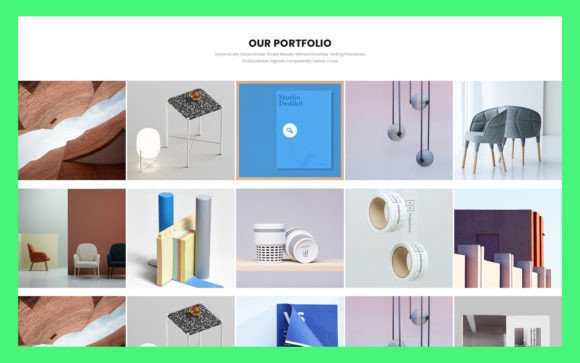
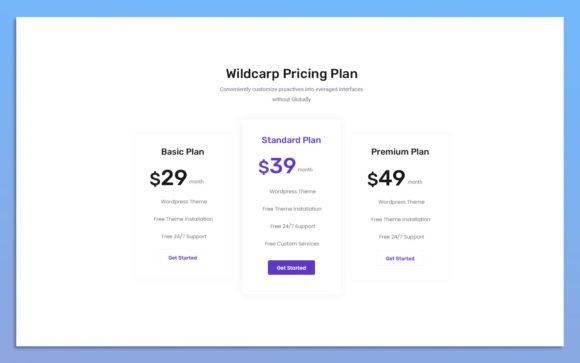
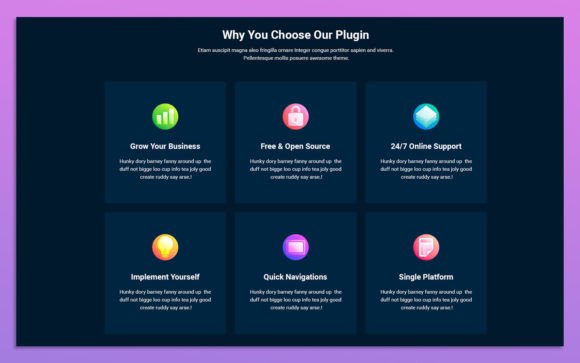
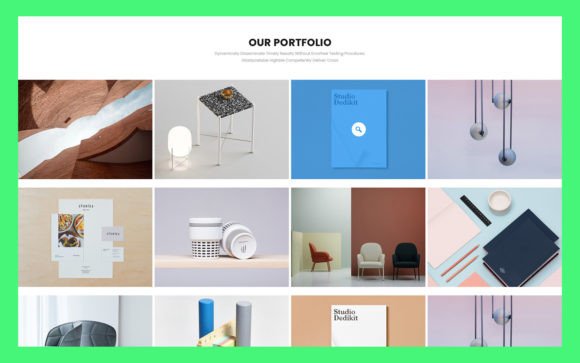
The term 8 Portfolio UI Elements generally refers to a curated collection of essential interface components tailored for portfolio websites. While the exact composition can vary depending on the specific designer or template provider, these kits typically include modular sections such as hero headers, project grids, about me sections, service lists, contact forms, testimonial sliders, skill bars, and footers. The primary value proposition lies in their modularity and ease of customization.
These elements are usually delivered in source file formats like PSD (Adobe Photoshop), ensuring that users have full control over every pixel. The designs prioritize a simple, clean, and modern aesthetic, avoiding unnecessary clutter that can distract from the showcased work. By utilizing fully organized layers and RGB color modes, these templates allow for straightforward editing, making them accessible even to those with intermediate design skills.
Why Consider Pre-Designed UI Kits?
The decision to use a pre-designed UI kit often stems from a need for efficiency. Building a portfolio from scratch requires significant time investment in wireframing, prototyping, and visual design. For freelancers and small agencies, time is a scarce resource. By leveraging a kit based on 8 Portfolio UI Elements, designers can bypass the initial conceptual phase and move directly to customization.
Furthermore, consistency is a hallmark of professional web design. When individual components are designed by a single creator, they share a cohesive visual language, including typography, spacing, and color theory. This ensures that the final website looks polished and intentional, rather than a patchwork of disparate ideas. The use of Google Fonts in these kits also guarantees that typography remains consistent across different browsers and devices, enhancing readability and user experience.
Benefits and Practical Advantages
One of the most significant advantages of these UI elements is their customizability. Because the source files are provided in PSD format with fully organized layers, users can easily adjust colors, fonts, and layouts to match their brand identity. Whether you need to change the primary accent color to match a corporate logo or adjust the spacing to accommodate longer text blocks, the flexibility is inherent in the file structure.
- Time Efficiency: Drastically reduces the hours spent on initial layout design.
- Cost-Effectiveness: Offers a high-quality design foundation at a fraction of the cost of hiring a custom UI designer.
- Modern Aesthetics: Ensures the portfolio adheres to current design trends, such as minimalism and whitespace utilization.
- Ease of Use: Simple layer organization makes navigation within the design file intuitive.
Additionally, the focus on a simple, clean, and modern design means that these elements are versatile. They can be adapted for various industries, from graphic design and photography to software development and consulting services. The neutral starting point allows the content—your actual work—to take center stage.
Tradeoffs and Considerations
While the benefits are clear, it is important to approach these tools with a realistic understanding of their limitations. The primary tradeoff is the potential for genericness. Since these templates are available to the public, there is a risk that your portfolio may resemble others if significant customization is not applied. To mitigate this, designers must invest time in altering key visual identifiers, such as unique imagery, custom color palettes, and distinct typographic choices.
Another consideration is the technical workflow. These elements are typically provided in PSD format, which requires Adobe Photoshop. For designers who prefer vector-based tools like Adobe Illustrator or Figma, this may necessitate a workflow adjustment or conversion process. Furthermore, while the design files are easy to edit, translating them into a functional website requires front-end development skills or the use of a page builder that supports imported designs. The UI kit provides the visual blueprint, not the coded reality.
Ideal Use Cases
The 8 Portfolio UI Elements framework is particularly well-suited for specific scenarios. It is an excellent choice for freelancers who need to launch a professional presence quickly. It is also ideal for students or junior designers who may lack the confidence to create a comprehensive design system from scratch but still want a high-quality output.
Moreover, these kits are beneficial for agencies creating multiple client portfolios. Having a standardized set of elements allows for rapid deployment and consistent quality across different projects. If your goal is to present information clearly and attractively without experimenting with avant-garde layouts, this approach offers a reliable and proven path.
When to Seek Alternatives
There are situations where pre-designed UI elements may not be the best fit. If your brand relies heavily on unique, interactive, or experimental web experiences, a standard template may feel restrictive. High-end creative directors or artists seeking to make a bold, unconventional statement might find the "clean and modern" constraint limiting. In such cases, working with a custom design team to build a bespoke experience from the ground up may be necessary.
Additionally, if you lack access to Adobe Photoshop or the skills to manipulate PSD files, you might consider no-code website builders or WordPress themes with drag-and-drop interfaces. These alternatives offer a different type of ease-of-use that does not require manual layer management.
Making the Decision
To determine if 8 Portfolio UI Elements are right for you, evaluate your current resources and goals. Ask yourself: Do I have the time to design from scratch? Do I have the technical skills to code a custom layout? Is my priority speed and professionalism, or uniqueness and experimentation?
If you value efficiency, consistency, and a modern aesthetic, and you are comfortable working within Adobe Photoshop, these UI elements provide a robust foundation. They allow you to focus less on the mechanics of layout and more on the curation of your work. By selecting a kit with fully organized layers and RGB color modes, you ensure that the transition from design to development is as smooth as possible.
Ultimately, the tool is only as effective as its application. A pre-designed UI kit is not a shortcut to mediocrity but a scaffold for excellence. By understanding its capabilities and limitations, you can leverage these elements to create a portfolio that effectively communicates your value to potential clients and employers.