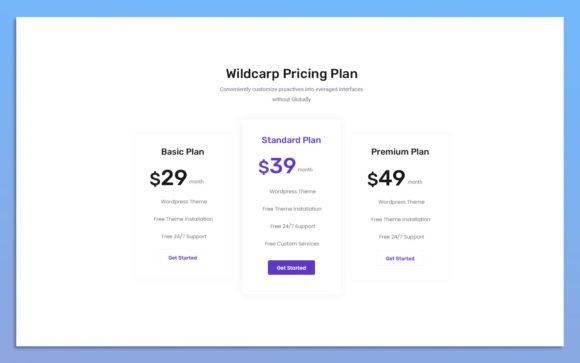
Mastering Visual Hierarchy with 18. Pricing Plan UI Elements for Modern Web Design
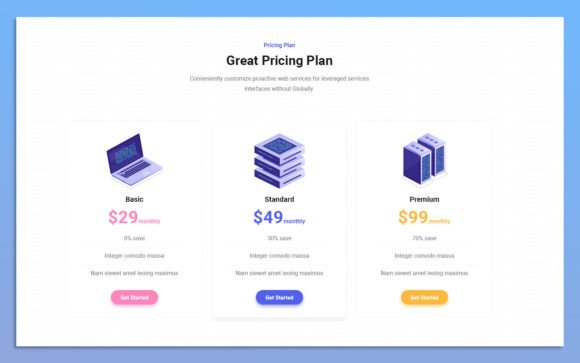
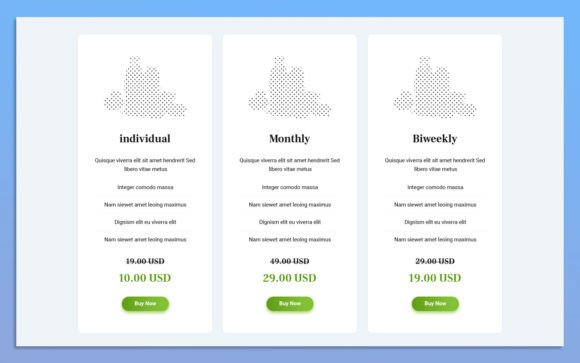
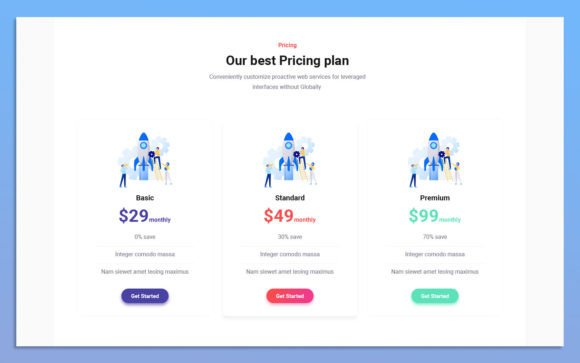
In the competitive landscape of digital product design, the pricing page is often the final hurdle between a curious visitor and a committed customer. It is not merely a list of costs; it is a psychological interface that communicates value, trust, and clarity. This is where specialized design assets, such as 18. Pricing Plan UI Elements, become indispensable tools for designers and developers alike. These elements are not just decorative components but functional structures that guide user decision-making through intuitive visual cues. By leveraging creative and colorful pricing plan UI elements, businesses can transform a potentially friction-heavy experience into a seamless journey toward conversion.
The modern web demands simplicity without sacrificing aesthetic appeal. Users are inundated with information, and their attention spans are shorter than ever. A cluttered or confusing pricing table can lead to immediate bounce rates. Conversely, a well-structured, visually engaging pricing module can highlight the unique selling propositions of each tier, making the choice obvious and compelling. The integration of simple services for your website, app, or broader service offerings requires a design approach that is both flexible and robust. This is precisely what high-quality UI kits offer: a foundation that is easy to use, highly customizable, and ready for immediate implementation.
The Strategic Importance of Color and Layout in Pricing Tables
Color psychology plays a pivotal role in how users perceive value. When utilizing Creative and Colorful Pricing plan UI Elements, designers have the opportunity to differentiate between tiers effectively. For instance, a basic plan might utilize neutral tones to suggest stability and affordability, while a premium or enterprise plan could employ vibrant, energetic colors to signify exclusivity and advanced features. The ability to easily change color style is a critical feature of modern PSD templates. It allows brands to maintain consistency with their existing identity while experimenting with contrast to draw attention to specific calls to action.
Beyond color, the layout itself dictates the flow of information. A clean and modern design ensures that the eye travels naturally from the plan name to the price, then to the feature list, and finally to the selection button. Poorly organized layers in a design file can hinder this process, leading to inconsistencies when the design is translated into code. However, with fully organized layers, as found in professional source files, the transition from design to development is streamlined. Developers can quickly identify which elements are static and which are dynamic, reducing the time spent on front-end coding and ensuring pixel-perfect implementation.
Customization and Flexibility for Diverse Business Needs
One of the most significant advantages of using pre-built UI elements is the speed of deployment. Whether you are launching a new SaaS platform, updating an e-commerce site, or redesigning a portfolio, having access to versatile templates accelerates the workflow. The 18. Pricing Plan UI Elements are designed with versatility in mind. They are not rigid structures but adaptable frameworks that can be molded to fit various business models. For a subscription-based service, the focus might be on monthly versus annual billing toggles. For a one-time purchase model, the emphasis might shift to package bundles or add-on services.
The ease of customization extends beyond mere color changes. Because these assets are provided in Source file format PSD, every aspect of the design is editable. Typography can be adjusted to match brand guidelines, icons can be swapped to better represent specific features, and spacing can be modified to accommodate longer or shorter text descriptions. This level of control is essential for maintaining a cohesive brand experience across all touchpoints. Furthermore, the use of Google Fonts ensures that the typography remains legible and stylish across different devices and browsers, enhancing the overall user experience.
Technical Specifications and Design Integrity
For professional designers, the technical quality of the source files is paramount. High-resolution assets in Color RGB ensure that the designs look vibrant on screens, which is the primary medium for web and app interfaces. The distinction between RGB and CMYK is crucial here; while print materials require CMYK, digital interfaces thrive on the broader color spectrum of RGB. Using the correct color profile prevents discrepancies between the design mockup and the live website, ensuring that the intended visual impact is preserved.
Fully organized layers are not just a convenience; they are a necessity for collaborative workflows. In a team environment, multiple designers or developers may need to interact with the same file. Clear labeling, grouping, and naming conventions allow for efficient navigation and editing. This organization reduces the risk of errors, such as accidentally deleting a critical element or misaligning a component. It also facilitates easier updates in the future. As business needs evolve, pricing structures often change. Having a well-organized PSD file means that updating a price or adding a new feature line item is a quick and painless process.
Enhancing User Experience Through Clarity and Simplicity
The core principle behind effective pricing design is clarity. Users should never have to guess what they are paying for or what benefits they are receiving. Simple, clean, and modern design principles help eliminate cognitive load. By removing unnecessary decorations and focusing on essential information, designers can create interfaces that are easy to scan and understand. This is particularly important for mobile users, who may be viewing the pricing page on smaller screens. Responsive design considerations start at the mockup stage, and using flexible UI elements ensures that the layout adapts gracefully to different viewport sizes.
Moreover, the use of visual hierarchy helps guide users toward the desired outcome. Often, businesses want to highlight a specific plan, such as the "Pro" or "Most Popular" option. Creative UI elements can achieve this through subtle cues like larger font sizes, distinct background colors, or prominent badges. These design choices nudge users toward higher-value plans without being aggressive or misleading. It is a balance of persuasion and transparency, ensuring that users feel confident in their selection.
Practical Applications Across Industries
The versatility of 18. Pricing Plan UI Elements makes them suitable for a wide range of industries. In the tech sector, SaaS companies can use them to display tiered subscription models with clear feature comparisons. Educational platforms can utilize these elements to differentiate between free courses, premium memberships, and corporate training packages. Even non-profit organizations can benefit from structured pricing layouts when displaying donation tiers or membership levels.
For app developers, integrating these UI elements into the onboarding process can significantly improve conversion rates. When users understand the value proposition clearly before committing, they are more likely to complete the signup process. Similarly, for service-based businesses, such as consulting firms or creative agencies, packaging services into clear, priced tiers can simplify the sales process. Instead of lengthy negotiations, clients can choose a package that best fits their needs and budget, streamlining the acquisition funnel.
The Role of Adobe Photoshop in Modern UI Design
Despite the rise of newer design tools, Adobe Photoshop remains a cornerstone of UI design, particularly for creating detailed, high-fidelity mockups. Its robust feature set allows for precise control over every pixel, making it ideal for crafting intricate UI elements. The ability to fully edit on Adobe Photoshop means that designers can leverage advanced techniques like layer styles, smart objects, and adjustment layers to create dynamic and visually rich designs. These features enable the creation of realistic shadows, gradients, and textures that add depth and professionalism to the pricing tables.
Furthermore, the compatibility of PSD files with other Adobe Creative Cloud applications facilitates a seamless workflow. Designers can easily import assets from Illustrator or export components for prototyping in other tools. This interoperability ensures that the design process remains fluid and efficient, allowing teams to iterate quickly and respond to feedback in real-time. The enduring relevance of Photoshop in UI design underscores the importance of having high-quality, editable PSD sources for critical interface components like pricing plans.
In conclusion, the integration of well-designed pricing UI elements is a strategic move for any digital business. By prioritizing clarity, customization, and visual appeal, companies can enhance user trust and drive conversions. The availability of resources like 18. Pricing Plan UI Elements provides a solid foundation for achieving these goals. With features such as fully organized layers, RGB color profiles, and compatibility with Google Fonts, these tools empower designers to create impactful, professional, and user-friendly pricing interfaces. Whether for a startup app or an established enterprise service, investing in high-quality UI design is an investment in the overall success of the digital product.