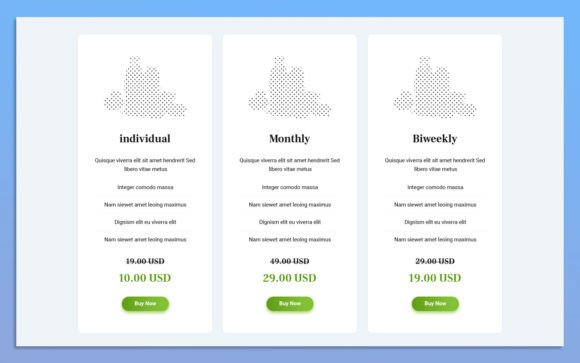
Mastering 5. Pricing Plan UI Elements for High-Converting Web Design
In the digital landscape, the pricing page is often the final hurdle between a curious visitor and a loyal customer. It is where value meets cost, and clarity becomes the most valuable currency. 5. Pricing Plan UI Elements represent a curated collection of design assets specifically engineered to streamline this critical conversion point. For designers, developers, and business owners, these elements are not merely decorative; they are functional tools that dictate how users perceive value, compare options, and ultimately make purchasing decisions.
Integrating well-structured pricing components into your workflow saves significant development time while ensuring a professional, polished appearance. Whether you are building a SaaS platform, an e-commerce store, or a personal portfolio, the way you present your services matters. This article explores how to effectively utilize these creative and colorful UI elements, focusing on customization, workflow integration, and practical implementation strategies.
The Strategic Role of Pricing UI in User Experience
Before diving into the technical aspects of customization, it is essential to understand where pricing UI fits within the broader user journey. A pricing table is rarely viewed in isolation. It is the culmination of a user’s research, interest, and intent. Therefore, the design must align seamlessly with the rest of your brand identity while standing out enough to drive action.
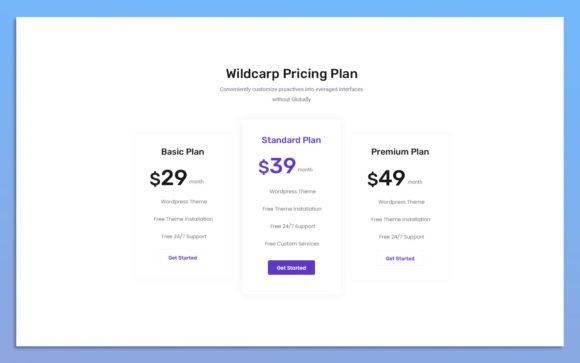
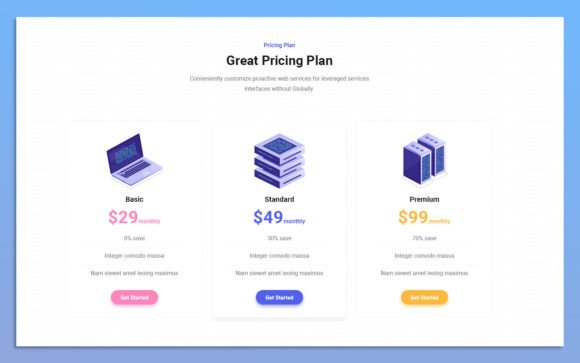
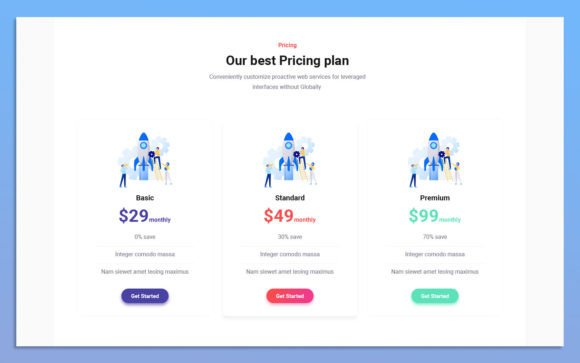
5. Pricing Plan UI Elements are designed with this psychological flow in mind. They offer a simple, clean, and modern aesthetic that reduces cognitive load. When users are faced with multiple subscription tiers or service packages, complex layouts can lead to decision paralysis. By utilizing pre-designed, organized layers, you ensure that information hierarchy is maintained. The primary goal is to guide the eye naturally from the feature list to the call-to-action button without unnecessary friction.
These elements interact directly with other components of your website, such as navigation bars, footer links, and testimonial sections. Consistency is key. If your pricing page uses a vibrant, playful color scheme while the rest of your site is monochromatic and corporate, the disconnect can erode trust. The flexibility of these PSD files allows you to adjust hues and tones to match your existing brand guidelines, ensuring a cohesive experience from landing page to checkout.
Customization and Workflow Integration
One of the standout features of this resource is its adaptability. Designed for Adobe Photoshop, the source files come with fully organized layers, making them accessible to designers of varying skill levels. However, the true value lies in how these files integrate into your existing design pipeline.
Preparation and Compatibility
Effective use begins with preparation. Before opening the PSD file, gather your brand assets: logo files, hex codes for primary and secondary colors, and the specific copy you intend to use. Knowing your content requirements beforehand prevents the common pitfall of designing around placeholder text, which often leads to layout breaks when real content is inserted.
The files utilize RGB color mode, which is standard for web design. This ensures that the colors you see on your screen are accurately represented in browsers. Additionally, the reliance on Google Fonts means that typography is both modern and web-safe. You are not locked into obscure typefaces that require complex licensing or slow-loading custom font files. Instead, you can easily swap in fonts like Roboto, Open Sans, or Montserrat, depending on your brand’s voice.
Efficient Editing Process
When you open the file, you will notice the layer structure is meticulously labeled. This organization is crucial for efficiency. Instead of hunting through dozens of unnamed layers, you can quickly locate elements such as "Header," "Price Tag," "Feature List," and "CTA Button." This structure supports a non-destructive workflow. You can toggle visibility, adjust opacity, or apply layer styles without altering the original base design.
To customize the color style, utilize Photoshop’s adjustment layers. Rather than painting over existing elements, use Hue/Saturation or Color Balance adjustments clipped to specific groups. This method allows you to experiment with different color palettes rapidly. For instance, if you want to test whether a blue or green "Buy Now" button converts better, you can duplicate the artboard, change the hue, and export both versions for A/B testing.
Practical Implementation Tips for Different Industries
The versatility of 5. Pricing Plan UI Elements makes them suitable for a wide range of applications. Here is how different professionals can leverage these assets in their specific workflows.
- SaaS and Tech Startups: For software companies, clarity is paramount. Use the clean design to highlight feature differences between "Basic," "Pro," and "Enterprise" plans. Emphasize the recommended tier by using a subtle shadow or a contrasting border color, a technique already built into the layer styles.
- Freelancers and Consultants: Service-based professionals can adapt these elements to package their offerings. Instead of monthly subscriptions, you might label columns as "Audit," "Implementation," and "Retainer." The modular nature of the UI allows you to remove unnecessary icons or add custom bullet points to describe deliverables clearly.
- Educators and Course Creators: If you are selling online courses, the pricing table can be used to compare single-course purchases versus all-access memberships. The colorful design elements can help differentiate between beginner and advanced levels, making the choice intuitive for students.
For marketers and small business owners, these elements serve as a rapid prototyping tool. You can mock up a new pricing strategy in minutes, present it to stakeholders, and iterate based on feedback. This speed is invaluable in agile environments where market conditions change quickly.
Ensuring Quality and Consistency
While ease of use is a major benefit, maintaining quality control is equally important. When customizing these UI elements, pay attention to alignment and spacing. Even minor misalignments can make a design look amateurish. Use Photoshop’s smart guides and alignment tools to ensure that text boxes, buttons, and icons are perfectly centered and evenly spaced.
Another critical factor is responsiveness. While the PSD file provides a static view, you must consider how these elements will translate to code. Keep the design modular. Avoid overly complex gradients or shadows that may be difficult to replicate with CSS. Simple, flat design principles often translate better across devices, from desktop monitors to mobile screens. When handing off designs to developers, provide clear annotations regarding hover states and active interactions. For example, specify how the button color should change when a user hovers over it, ensuring the interactive experience matches the visual design.
Long-Term Usability and Asset Management
Investing in high-quality UI resources pays dividends over time. Once you have customized the 5. Pricing Plan UI Elements to fit your brand, save the master file as a template. This allows you to reuse the structure for future campaigns, seasonal promotions, or new product launches. By maintaining a library of approved design templates, you ensure consistency across all your digital touchpoints.
Furthermore, keep the source files organized within your project directory. Label versions clearly (e.g., "Pricing_V1_Final.psd") to avoid confusion. If you work in a team, share the layered PSD via cloud storage so that colleagues can access the latest version. This collaborative approach prevents version control issues and ensures that everyone is working with the same assets.
In conclusion, 5. Pricing Plan UI Elements are more than just pretty pictures; they are strategic tools that enhance usability, streamline design workflows, and improve conversion rates. By understanding how to customize, integrate, and maintain these assets, you can create pricing pages that are not only visually appealing but also highly effective. Whether you are a seasoned designer or a business owner managing your own site, these resources provide the foundation for a professional, user-friendly pricing experience. Embrace the simplicity, leverage the customization options, and let your pricing page do the heavy lifting in your sales process.