Why a 3D Laptop with Empty Screen for Mockup C Is Essential for Modern Digital Presentation
In the fast-paced world of digital content creation, first impressions are often visual. Whether you are launching a new website, pitching a software solution, or showcasing a digital marketing campaign, the way you present your work matters just as much as the work itself. This is where a 3D laptop with empty screen for mockup C becomes an indispensable tool in your creative arsenal. It is not merely a graphic asset; it is a bridge between your raw design files and the polished, professional image you want to project to clients, customers, or students.
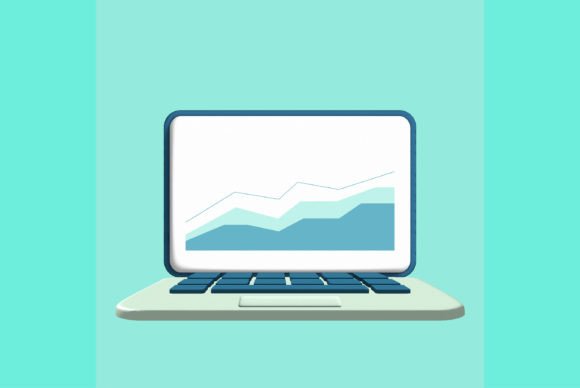
Unlike flat, two-dimensional screenshots that can feel static and disconnected from reality, a three-dimensional rendering provides depth, perspective, and context. The "empty screen" aspect is crucial because it offers a clean canvas. It allows you to insert your specific interface, video, or artwork without fighting against pre-existing distractions. When isolated on a pastel blue background, as seen in many high-quality rendering object illustrations, the device pops with a modern, minimalist aesthetic that appeals to contemporary sensibilities.
Bridging the Gap Between Concept and Reality
The primary value of using a 3D laptop with empty screen for mockup concept lies in its ability to contextualize digital products. Humans are wired to understand physical objects. We know what a laptop looks like, how it sits on a desk, and how light reflects off its surface. By placing your digital design onto a realistic 3D model, you tap into this innate understanding. It makes the intangible tangible.
Consider a freelance web designer working with a small business owner. The client may not understand wireframes or code. However, when they see their future homepage displayed on a sleek, rendered laptop sitting in a minimal scene, the vision clicks. The abstract becomes concrete. This clarity reduces revision cycles and builds trust, as the client can visualize the end product in a real-world setting rather than imagining it from a flat JPEG.
Real-World Applications Across Industries
The versatility of a 3D monitor isolated on pastel blue background means it serves a wide array of professionals. Here is how different users leverage this resource to achieve better outcomes.
Marketing and Social Media Campaigns
Marketers constantly need fresh visuals for social media posts, email headers, and ad creatives. A generic stock photo of a person typing on a computer often feels staged and impersonal. In contrast, a high-quality 3D render offers a clean, brand-neutral backdrop. You can overlay your latest blog post, a promotional video, or a landing page screenshot directly onto the screen. The pastel blue background provides a calming, professional tone that works well for tech, health, wellness, and educational brands. It ensures your message stands out without competing with a cluttered environment.
E-Commerce and Product Launches
If you are selling digital products—such as e-books, online courses, or software subscriptions—your product images need to look premium. A rendering object illustration of a laptop gives digital goods physical weight. For instance, an educator launching a new coding course can display the curriculum interface on the 3D laptop screen. This suggests quality and professionalism, potentially increasing conversion rates. Customers perceive higher value when the presentation mimics the experience of using a physical product.
Corporate Presentations and Pitch Decks
Entrepreneurs and startup founders often pitch to investors who review hundreds of decks. Standing out visually is critical. Using a consistent mockup style, such as the 3D laptop with empty screen for mockup C, throughout a pitch deck creates a cohesive narrative. It shows attention to detail. When displaying app interfaces or dashboard analytics, the 3D perspective helps viewers understand the layout and user experience more intuitively than a flat screenshot ever could.
Why the Minimalist Aesthetic Matters
You might wonder why the background color and scene composition matter. Why not just use a white background or a complex office setting? The choice of a 3D monitor isolated on pastel blue background is deliberate. Minimalism reduces cognitive load. When a viewer looks at an image, their brain tries to process every element. A cluttered background distracts from the screen content, which is the hero of the image.
Pastel blue is particularly effective because it is associated with trust, calm, and technology. It is soft enough not to clash with most UI designs, which often use white, dark mode, or vibrant accent colors. This isolation ensures that the focus remains strictly on your content. It is a subtle psychological cue that says, "Look here, this is important," without shouting.
Practical Considerations Before You Choose Your Mockup
While the benefits are clear, selecting the right asset requires some thought. Not all mockups are created equal, and using the wrong one can hinder rather than help your presentation. Here are key factors to consider before downloading or purchasing a 3D laptop with empty screen for mockup C.
- Resolution and Scalability: Ensure the rendering is high-resolution. If you plan to use it for large prints or high-density displays, a low-res image will pixelate and look unprofessional. Look for vector-based elements or high-DPI raster files.
- Lighting and Shadows: The realism of a 3D render comes from accurate lighting. Check if the shadows under the laptop match the light source. Poorly rendered shadows can make the object look like it is floating unnaturally, breaking the immersion.
- Screen Angle and Perspective: The angle of the laptop screen should match the content you are inserting. If you have a dashboard design that is wide, a straight-on front view works best. If you are showing a long scrolling webpage, a slight angle might provide better depth. The 3D laptop with empty screen for mockup concept should offer flexibility or match your specific content ratio.
- File Format and Editability: For maximum control, look for files that allow you to easily swap the screen content. PSD files with smart objects are ideal for Photoshop users, while some 3D formats allow for direct texture mapping in rendering software. If you are not a designer, ensure the provider offers a simple drag-and-drop solution.
Enhancing Brand Consistency Through Visual Assets
Consistency builds recognition. If you use the same style of 3D display minimal scene with computer across your website, social media, and email newsletters, you create a visual signature. Over time, your audience begins to associate that clean, pastel-toned, 3D aesthetic with your brand. This is particularly powerful for solopreneurs and small businesses that lack the budget for custom photography shoots. A high-quality mockup library can serve as a cost-effective alternative to hiring a photographer for every new product launch.
Moreover, using a standardized mockup saves time. Instead of designing a new background for every post, you have a reliable template. You simply drop in your new screenshot, adjust the lighting if necessary, and export. This efficiency allows creators to focus more on the quality of their content and less on the mechanics of presentation.
Making the Right Choice for Your Workflow
Ultimately, the 3D laptop with empty screen for mockup C is more than just a pretty picture. It is a functional tool that enhances communication, boosts perceived value, and streamlines your creative workflow. Whether you are a blogger trying to make your tutorials more engaging, a marketer aiming for higher click-through rates, or an entrepreneur pitching the next big idea, the way you frame your digital work influences how it is received.
By choosing a minimalist, high-quality render isolated on a soothing background, you remove distractions and highlight what truly matters: your content. As digital spaces become increasingly crowded, the ability to present your work with clarity and professionalism is a competitive advantage. Invest in tools that elevate your presentation, and you will find that your audience engages more deeply with the ideas you share.